

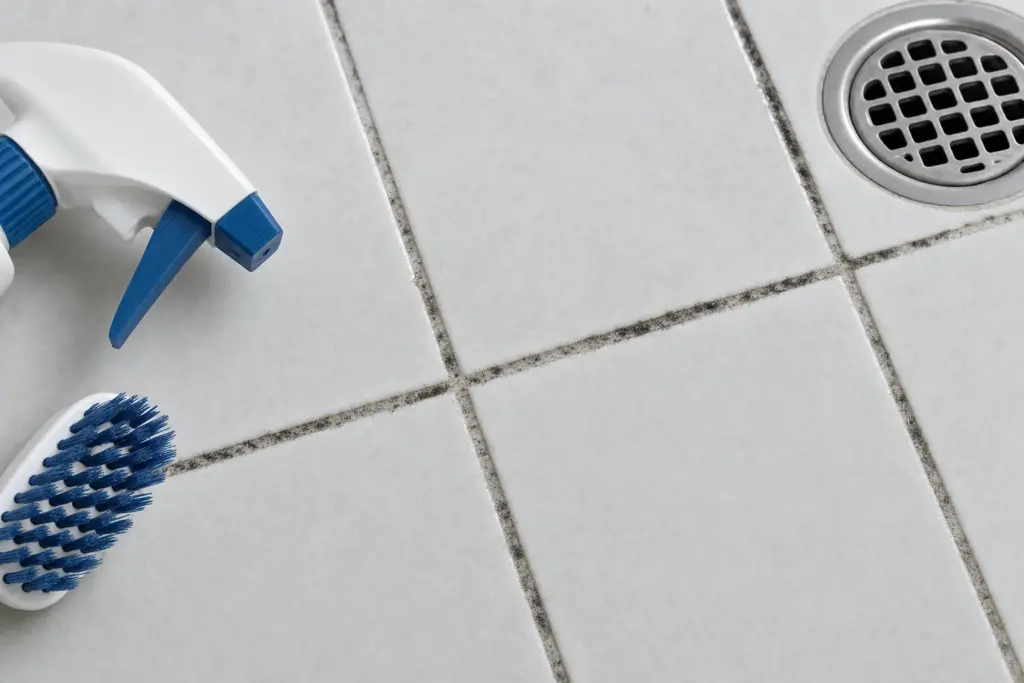
Mold and mildew in shower grout is one of the most frustrating bathroom problems. That black or dark green discoloration creeps into the tiny crevices of your grout lines, makes your shower look dingy, and can pose health risks if left unchecked. The good news is that removing mold from grout is often simpler than you think, and there are proven ways to keep it from coming back.
Why Mold Grows in Shower Grout
Your shower is the perfect breeding ground for mold. Grout is porous, which means it absorbs moisture like a sponge. Every time you shower, steam and water saturate the grout lines. Poor ventilation, warm temperatures, and constant humidity create ideal conditions for mold and mildew to thrive.
Mildew in shower caulk and grout lines is especially common in Denver bathrooms during colder months when windows stay closed and exhaust fans run less frequently. The problem compounds if your grout is older, cracked, or deteriorating, as damaged grout holds even more moisture.
Quick Cleaning Solutions for Black Mold Shower Grout
Before you panic about the state of your shower, know that most surface-level mold in grout can be removed with household items.
White Vinegar Method
White vinegar is acidic and naturally kills mold spores. Fill a spray bottle with undiluted white vinegar and spray it directly onto the affected grout lines. Let it sit for 10 to 15 minutes, then scrub with an old toothbrush or a small grout brush. Rinse thoroughly with water. This works best for light to moderate mold growth.
Baking Soda Paste
Mix baking soda with a small amount of water to create a thick paste. Apply it to the moldy grout, let it dry for a few hours, then scrub and rinse. Baking soda is mild, non-toxic, and effective for stubborn spots.
Hydrogen Peroxide
Three percent hydrogen peroxide is another effective option. Spray it on the mold, wait 10 minutes, and scrub. It works well alongside the vinegar method if one pass does not fully remove the mold.
Commercial Mold Removers
If natural methods do not work, over-the-counter mold removers designed for bathrooms can be effective. Always follow the product instructions and ensure good ventilation while using them. Wear gloves and avoid mixing different cleaners, as this can create toxic fumes.
Preventing Mold and Mildew in Shower Caulk
Removing mold is only half the battle. Preventing it from returning is equally important.
- Improve ventilation by running your exhaust fan during and for 20 to 30 minutes after every shower
- Wipe down shower surfaces with a squeegee or towel to remove standing water
- Keep your bathroom temperature and humidity in check by opening windows when weather permits
- Clean grout lines monthly with a mild cleaner to prevent buildup
- Ensure your caulk is in good condition; replace cracked or deteriorating caulk promptly
- Use a shower spray that inhibits mold growth between deep cleans
When Grout Damage Goes Deeper
Sometimes mold growth signals a bigger problem. If your grout is deeply discolored, cracked, or if mold keeps returning despite your best cleaning efforts, the grout itself may be compromised. Water may be seeping beneath the surface, which neither vinegar nor commercial cleaners will address.
In these cases, recaulking or regrouting becomes necessary. However, if your entire tile surface or grout system is failing, you might want to explore refinishing options. When tile refinishing is an option, it can be a cost-effective way to restore the look of your shower without a full remodel. With DR Refinishing’s shower refinishing service, we can restore worn tile surfaces with an industrial-grade finish in a single visit.
Is Your Shower Beyond Quick Fixes?
If your shower tiles are stained, dull, or cracked, or if persistent mold keeps returning no matter what you do, refinishing may be the answer. Rather than spending months and thousands of dollars on a traditional bathroom remodel, refinishing delivers a fresh, like-new appearance in just a few hours. Our process covers a wide range of surfaces, including ceramic, porcelain, and tile, and comes with a written warranty.
For homeowners in the Denver metro area, this is often the fastest and most affordable way to refresh a dated or damaged shower without the mess and disruption of construction.
Keep Your Shower Clean and Healthy
Mold and mildew in shower grout do not have to be permanent problems. Start with the cleaning methods that fit your situation, then focus on prevention through better ventilation and routine maintenance. If you find that surface cleaning is not enough, or if your shower surfaces have become too worn to restore with simple cleaning, reach out to see how refinishing could transform your bathroom.